

Body Image and Pregnancy Weight Gain
Our society is so fixed on the ideal body type - skinny, fit, active, toned. No one wants to gain wait, to be “obese” based on their BMI, and there is so much focus on not gaining weight or only gaining appropriate amounts of weight that we can’t seem to discuss weight gain in pregnancy without someone leaving the conversation feeling inadequate. The recommendations for weight gain in pregnancy seem to change constantly, with diet recommendations changing almost as frequently. And it makes you wonder, does body image insecurity feed into pregnancy weight gain and what can happen because of it?
Our society is so fixed on the ideal body type - skinny, fit, active, toned. No one wants to gain wait, to be “obese” based on their BMI, and there is so much focus on not gaining weight or only gaining appropriate amounts of weight that we can’t seem to discuss weight gain in pregnancy without someone leaving the conversation feeling inadequate. The recommendations for weight gain in pregnancy seem to change constantly, with diet recommendations changing almost as frequently. And it makes you wonder, does body image insecurity feed into pregnancy weight gain and what can happen because of it?
The social pressure to be thin and fit is far reaching. Even small children are picking up on this and wanting to be thinner. Weight Watchers even created a new program for kids, as if any child needs to be on a restrictive diet! Weight is such a tender topic, and so many are blaming the body positive movement for the rise in obesity, when there are many other factors at play. However, in pregnancy, weight gain should be the normal for every pregnant person, regardless of weight before pregnancy, and it can lead to a lot of heavy emotions and some people even end up diet restricting so they gain inadequately or not at all, and in some cases, even lose weight.
Even with that, this is the first time in many people’s lives that they are encouraged to gain weight, which is at odds with what they’ve been told their entire life. It can be hard to change your mindset around weight gain, even when you want to do everything possible to have a healthy pregnancy and healthy baby. A paper published by the WHO states, “During pregnancy and postpartum, women’s dissatisfaction with their bodies increases irrespective of how satisfied they were prior to the pregnancy. Evidence suggests that pregnant women who are affected negatively by changes to their body are less likely to initiate breastfeeding.” ¹ The breastfeeding aspect was a huge shock to me, I hadn’t thought of the connection to body image with the rates of breastfeeding or even just the initiation of breastfeeding. And the bit before that about stating that it didn’t matter how satisfied they were before pregnancy, the dissatisfaction with their body increased as pregnancy progressed.
A study published in 2009 about prepregnancy BMI, gestational weight gain, and likelihood of major depressive episodes discusses the impact of weight gain on incidences of depression during pregnancy.² Their findings weren’t very shocking, even with the body shaming attitude of obesity and BMI, and they showed that all sized people had an increased risk and chance of depression in pregnancy, though the risk was higher with those classified as “obese” before pregnancy. Interestingly enough though, those that were normal BMI before pregnancy had a much higher chance of depression if they had inadequate weight gain during their pregnancy. It almost feels like a doubled-edged sword - gain weight and it’s an issue, don’t gain weight and it’s an issue. I feel that the bigger issue isn’t how much or little is gained but the inner feelings around weight gain itself. Another paper published even discusses how weight stigma actually increases the chances of excessive weight gain, leading to higher rates of postpartum depression and weight retention.³ She wants communities and providers to focus more on how they’re treating pregnant people overall versus focusing on weight and all the factors that deals with.
And to turn it around a little bit, knowing how hard it is to be okay with weight gain in pregnancy and all that entails, I found an amazing post⁴ about some concrete ways you can feel a little more positive about your body during pregnancy. One of the big ones that I love to tell people is to get rid of the scale! You are not based on the number that shows up. You should be gaining weight, because your body is growing another human, expanding your blood volume, and creating a placenta, but weighing yourself regularly and at every appointment can be doing more harm than good to your mental health. And all this isn’t to say you won’t have bad days! “You’re going to have negative thoughts and feelings about your body sometimes so forget trying to be positive all the time. These thoughts are not a personal failure—we live in a culture that breeds body insecurity and bombards us with unrealistic beauty ideals daily.” One of their suggestions is to find positive sources instead, like the 4th Trimester Bodies Project.⁵
Just like any other time in your life, you are not defined by your weight. Pregnancy should be a time when you are eating well, growing healthy, building another human, not a time to focus on what the numbers mean or how our old clothes don’t fit anymore. Take it one day at a time and try to embrace the difference in your body. It’s not easy, but even small acts can help you feel better and have less depression and mental health issues than the focus on how your body is changing in a negative light.
Resources:
1. Breda, Joao. Body Image, Pregnancy, and Birth. http://www.euro.who.int/__data/assets/pdf_file/0003/277734/Body-image-and-pregnancy.pdf?ua=1
2. Bodnar, Lisa M. Prepregnancy Body Mass Index, Gestational Weight Gain, and the Likelihood of Major Depression During Pregnancy. https://www.ncbi.nlm.nih.gov/pmc/articles/PMC2760651/
3.Rodriguez, Angela C. Association of Weight Discrimination During Pregnancy and Postpartum with Maternal Postpartum Health. https://medicalxpress.com/news/2019-02-pregnant-women-weight-stigma-decreased.html https://www.ncbi.nlm.nih.gov/pubmed/30762402
4. Davidson, Megan. 7 Steps for a Body Positive Pregnancy. https://www.nationaleatingdisorders.org/blog/steps-for-body-positive-pregnancy
5. The 4th Trimester Bodies Project. https://www.4thtrimesterbodiesproject.com/
Hemoglobin and Pregnancy
During pregnancy, hemoglobin is a touchy subject. In some cases, it is the only tool used to monitor iron levels and risk of anemia, but as stated above, hemoglobin is simply a screening marker.
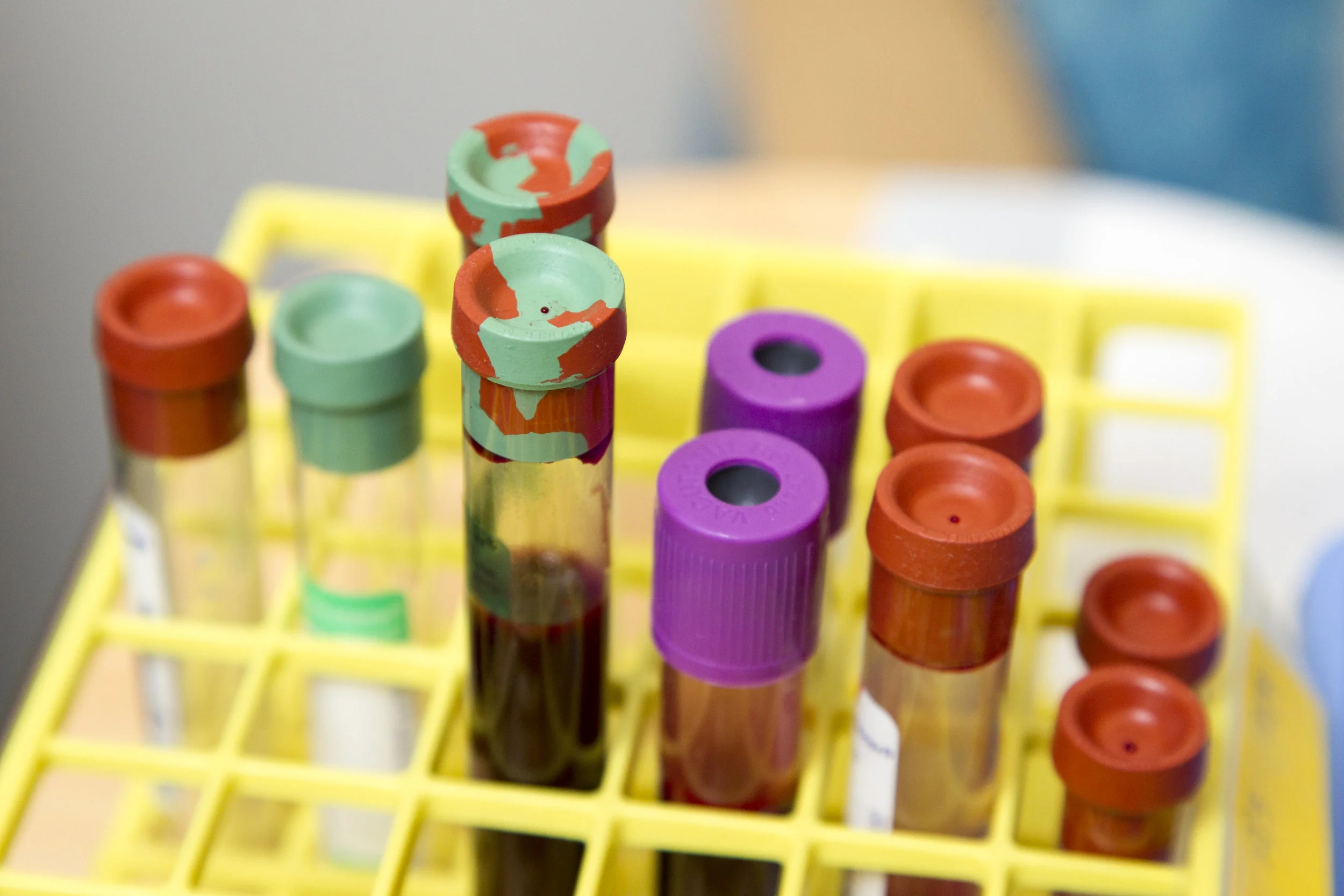
Hemoglobin is the oxygen carrying component of red blood cells, and is a screening marker for problems, not a diagnostic tool. Your fingertip is pricked with a small lancet, a drop of blood taken and tested. All in all, it only takes a few minutes to know your hemoglobin status. It’s a valuable tool in any practice, but it isn’t the end all diagnostic for iron levels. Hemoglobin can also be checked in a blood draw lab test, included in the CBC, and those results can be more accurate than the quick finger prick.
During pregnancy, hemoglobin is a touchy subject. In some cases, it is the only tool used to monitor iron levels and risk of anemia, but as stated above, hemoglobin is simply a screening marker. One of the biggest changes to hemoglobin is a physiological decrease response to an increase in blood volume, which is normal in a healthy, well-nourished pregnancy. Falling hemoglobin levels and a well-growing baby coincide with each other, and they are an important factor in monitoring a healthy pregnancy.
Hemoglobin levels in pregnancy can be tested at any time, but generally are done at the first prenatal visit and then at the beginning of the third trimester, around 28 weeks. The first visit is a baseline value, normally done before 8 weeks of pregnancy, and shows what your hemoglobin is before your blood volume has expanded. Sometimes this first test can point to a lower than optimal beginning hemoglobin which can be corrected in most cases with diet and nutrition changes and supplements when needed.
In general, hemoglobin in the first trimester of pregnancy should be around 12-13g/dL, giving you enough room for a 2g fall by 28 weeks. At 28 weeks, Anne Frye says that the lower limit of normal is 10g/dL, but even then, hemoglobin is again just a screening marker.
During pregnancy, your hemoglobin will drop gradually as your blood volume increases, and you should see a 2g/dL drop by 28 weeks, IF you live in an area that is less than 5000 feet above sea level. Altitude matters in cases of hemoglobin levels! If you live between 5000 and 8000 feet, you may only see a drop of 1-1.5g/dL. If you are above 8000 feet, you may not see a drop at all. Your body has to compensate for the lower levels of oxygen in your area, and your hemoglobin will show that.
If your hemoglobin didn’t drop at all by 28 weeks and you live below 5000 feet, it’s a sign that your blood volume hasn’t expanded well, and can lead to problems with your baby’s growth and issues with blood loss and its effects after the birth.
Along this line, anemia is a marker of a problem, not a diagnosis, and hemoglobin alone is misleading as pregnancy advances. If your hemoglobin is low, or lower than where your provider would like, more tests are needed before any diagnosis is made.
LOW HEMOGLOBIN IS JUST A SCREENING MARKER.
If it’s low, the additional tests that may be run are serum iron, total iron binding capacity, transferrin saturation, and serum ferritin. In most cases, the serum ferritin may be the only additional test that is needed.
Ferritin is the major iron-storage protein, and the serum ferritin test is checking for available iron stores in bone marrow. This is more of an indicator of iron deficiency than hemoglobin. In normal menstruating women, the value should be 25-200ng/mL.
If your hemoglobin is low (again, below 10g/dL), serum ferritin should be the next test ordered to make sure your levels are within normal range. For most pregnant people, levels of ferritin below 30ng/mL confirms iron deficiency anemia. If this is run at the beginning of pregnancy, a hemoglobin level less than 11g/dL and serum ferritin level of less than 25ng/mL is the biggest sign that changes are necessary to increase both levels. In some cases, that can also point to other issues with iron and red blood cells, but that is more rare than simply being iron deficient.
Remember: Normal hemoglobin levels after 28 weeks of pregnancy are above 10g/dL, but it is simply a screening tool. More testing is needed, specifically a serum ferritin, which should be between 30-200ng/mL, showing that you are not anemic, your risk of bleeding during birth is not increased, and your hemoglobin level is not an issue.
RESOURCES:
Understanding Diagnostic Tests in Childbearing Year by Anne Frye, pages 258-298, Normal Hemodilution, Anemia, and Red Cell Disorders in Pregnancy.
Holistic Midwifery Vol 1 by Anne Frye, pages 195, 580, 828-832, 1007-1008.
https://www.uptodate.com/contents/maternal-adaptations-to-pregnancy-hematologic-changes/abstract/5" target="_blank">Hematological Changes
https://www.ncbi.nlm.nih.gov/pubmed/19935037" target="_blank">Pregnancy and Laboratory Studies